SASHA HUBER
ARTIST
CV
BIOGRAPHY
NEWS
2026
2025
2024
2023
2022
2021
2020
2019
2018
2017
2016
2015
2014
2013
2012
2011
2010
2009
2008
ROOTS
ROSA
STRIPPED DOWN TO THE BONES
BLACK LIVES MATTER
SAME MOTHER
PEREJIL
THREE GENERATION BLOOD LINE
HAÏTI CHÉRIE
HAÏTI CHÈRIE RIBBONS
I LOVE JANY
DEMOUNTING AGASSIZ
TAILORING FREEDOM BRAZIL
TAILORING FREEDOM SERIES
TLINGIT GLACIER & LAKES - A REPARATIVE INTERVENTION
SPACE RACE
MOTHER THROAT
KARAKIA - THE RESETTING CEREMONY
AGASSIZ DOWN UNDER POSTER
LOUIS AGASSIZ (1807-2013): EINE HEIMSUCHUNG EXHIBITION
RENTYHORN
RENTYHORN BOOK
NOM PROPRE
(T)RACES OF LOUIS AGASSIZ
LOUIS WHO? WHAT YOU SHOULD KNOW ABOUT LOUIS AGASSIZ
AGASSIZ: THE MIXED TRACES SERIES
MY RACISM IS A HUMANISM. A LECTURE
EVIDENCE
SHOOTING BACK LOUIS AGASSIZ
SHOOTING
I SEE YOU
ANCESTRAL WEB
LAND BACK NOW
REMEDY FOR LIFE
DEKOLONIALWAREN HUBER
THE FIRSTS - MATTHEW HENSON
THE TIPPING OF THE ICEBERG
THE FIRSTS - EDMONIA LEWIS
THE FIRSTS - JANI TOIVOLA
THE FIRSTS - JAMES BALDWIN
THE FIRSTS - ROSA EMILIA CLAY
FREE ZWARTE PIET
THIS IS AMERICA
MIGRATING MONARCH
YOU ARE MISSED
SEA OF THE LOST
WOUND - KITTILÄ
SHOOTING STARS
GOD SAVE THE HUIA
ROOTS
RUNAWAY
SHOOTING BACK
PETER STUYVESANT
SUGAR
STRANGE FRUIT INSTALLATION
STRANGE FRUIT BOWL
BIRCH OIL
KOLONIALE VERFLECHTUNGEN
BLACK SKIN
MR. SASHA HUBER
TROPHY SERIES
SILVERBACK
MY SHOES
REMEDIES UNIVERSE
REMEDIES FINLAND
REMEDIES USA
REMEDIES LATVIA
REMEDIES TASMANIA
REMEDIES GERMANY
REMEDIES HAITI
REMEDIES MILDURA
REMEDIES NEW ZEALAND
REMEDIES SWEDEN
BOOKS
YOU NAME IT
RENTYHORN
(T)RACES OF LOUIS AGASSIZ
REMEDIES HUSKURER
RONGOA REMEDIES
WORDS
SHOOTING STARS - THE IMPOSSIBLE REUNION
SASHA HUBER'S RENTYHORN
DENAMING LOUIS AGASSIZ
LANDSCAPE, TERROR & THE SUBLIME
WRAPPED IN IMAGES & THE MATERNITY OF ART PRACTICES
MESSENGER
TRANSATLANTIC PASSAGES - AGASSIZ, HAITI & AFRICA IN THE WORKS OF SASHA HUBER
LANDSCAPE, VISIBILITY & MEMORY IN THE WORK OF SASHA HUBER
QUESTIONING LOUIS AGASSIZ'S REPOSITORY OF RACIST IMAGERY IN SASHA HUBER'S WORK
COLUMBUS, PAPA DOC & BABY DOC DISCOVER FINLAND
HAÏTI CHÉRIE
PRESS
CONTACT
© Sasha Huber 2026
SASHA HUBER
ARTIST
CV
BIOGRAPHY
NEWS
2026
2025
2024
2023
2022
2021
2020
2019
2018
2017
2016
2015
2014
2013
2012
2011
2010
2009
2008
ROOTS
ROSA
STRIPPED DOWN TO THE BONES
BLACK LIVES MATTER
SAME MOTHER
PEREJIL
THREE GENERATION BLOOD LINE
HAÏTI CHÉRIE
HAÏTI CHÈRIE RIBBONS
I LOVE JANY
DEMOUNTING AGASSIZ
TAILORING FREEDOM BRAZIL
TAILORING FREEDOM SERIES
TLINGIT GLACIER & LAKES - A REPARATIVE INTERVENTION
SPACE RACE
MOTHER THROAT
KARAKIA - THE RESETTING CEREMONY
AGASSIZ DOWN UNDER POSTER
LOUIS AGASSIZ (1807-2013): EINE HEIMSUCHUNG EXHIBITION
RENTYHORN
RENTYHORN BOOK
NOM PROPRE
(T)RACES OF LOUIS AGASSIZ
LOUIS WHO? WHAT YOU SHOULD KNOW ABOUT LOUIS AGASSIZ
AGASSIZ: THE MIXED TRACES SERIES
MY RACISM IS A HUMANISM. A LECTURE
EVIDENCE
SHOOTING BACK LOUIS AGASSIZ
SHOOTING
I SEE YOU
ANCESTRAL WEB
LAND BACK NOW
REMEDY FOR LIFE
DEKOLONIALWAREN HUBER
THE FIRSTS - MATTHEW HENSON
THE TIPPING OF THE ICEBERG
THE FIRSTS - EDMONIA LEWIS
THE FIRSTS - JANI TOIVOLA
THE FIRSTS - JAMES BALDWIN
THE FIRSTS - ROSA EMILIA CLAY
FREE ZWARTE PIET
THIS IS AMERICA
MIGRATING MONARCH
YOU ARE MISSED
SEA OF THE LOST
WOUND - KITTILÄ
SHOOTING STARS
GOD SAVE THE HUIA
ROOTS
RUNAWAY
SHOOTING BACK
PETER STUYVESANT
SUGAR
STRANGE FRUIT INSTALLATION
STRANGE FRUIT BOWL
BIRCH OIL
KOLONIALE VERFLECHTUNGEN
BLACK SKIN
MR. SASHA HUBER
TROPHY SERIES
SILVERBACK
MY SHOES
REMEDIES UNIVERSE
REMEDIES FINLAND
REMEDIES USA
REMEDIES LATVIA
REMEDIES TASMANIA
REMEDIES GERMANY
REMEDIES HAITI
REMEDIES MILDURA
REMEDIES NEW ZEALAND
REMEDIES SWEDEN
BOOKS
YOU NAME IT
RENTYHORN
(T)RACES OF LOUIS AGASSIZ
REMEDIES HUSKURER
RONGOA REMEDIES
WORDS
SHOOTING STARS - THE IMPOSSIBLE REUNION
SASHA HUBER'S RENTYHORN
DENAMING LOUIS AGASSIZ
LANDSCAPE, TERROR & THE SUBLIME
WRAPPED IN IMAGES & THE MATERNITY OF ART PRACTICES
MESSENGER
TRANSATLANTIC PASSAGES - AGASSIZ, HAITI & AFRICA IN THE WORKS OF SASHA HUBER
LANDSCAPE, VISIBILITY & MEMORY IN THE WORK OF SASHA HUBER
QUESTIONING LOUIS AGASSIZ'S REPOSITORY OF RACIST IMAGERY IN SASHA HUBER'S WORK
COLUMBUS, PAPA DOC & BABY DOC DISCOVER FINLAND
HAÏTI CHÉRIE
PRESS
CONTACT
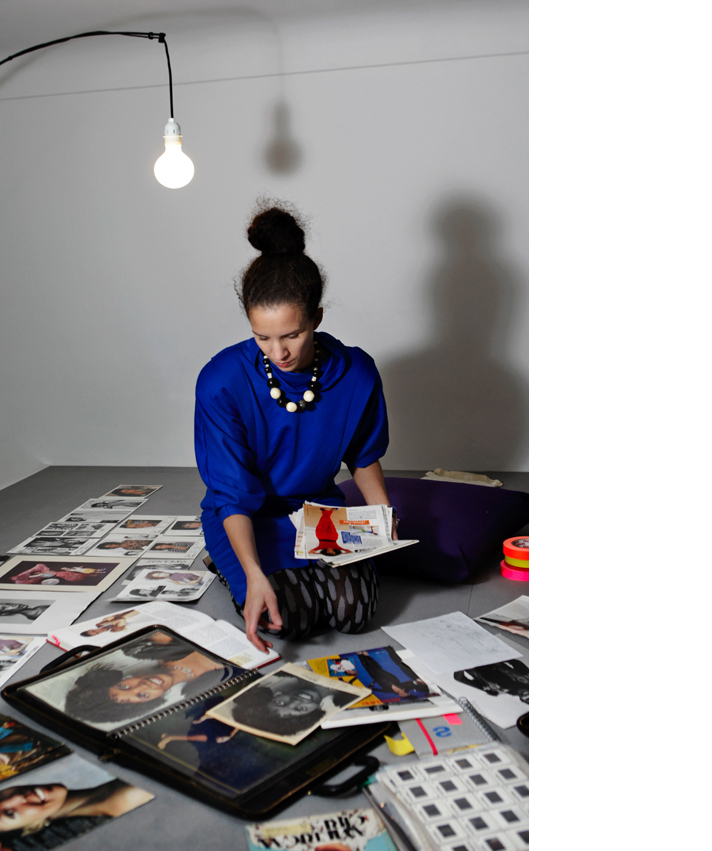
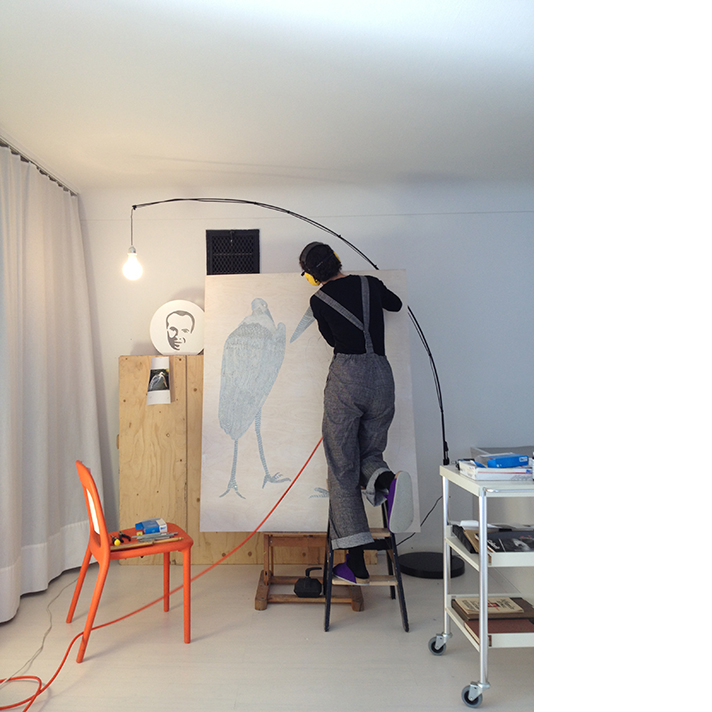
At the studio working on
Trophy III
, 2013.
At my studio working on
I love JaNY
, 2010. Photograph by Susanna Kekkonen.
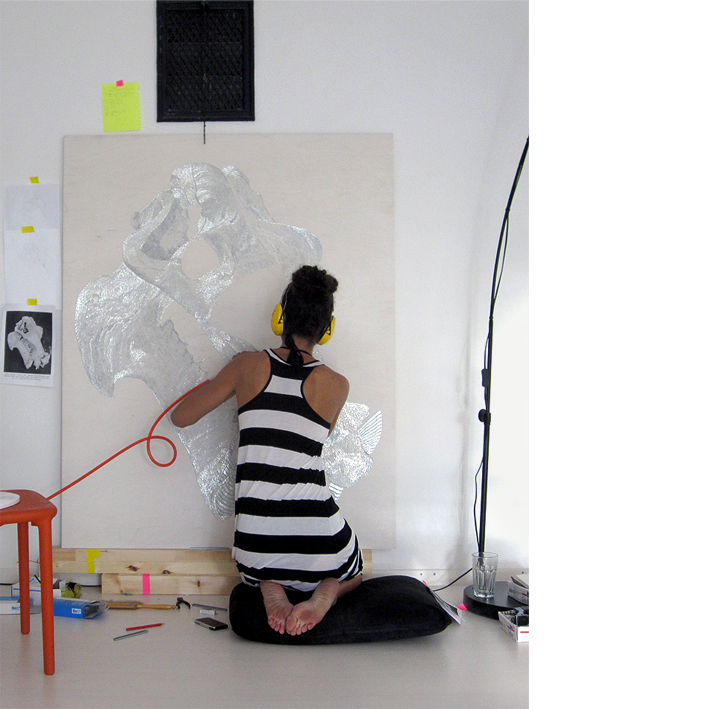
Working on the
Trophy I
project, 2010.
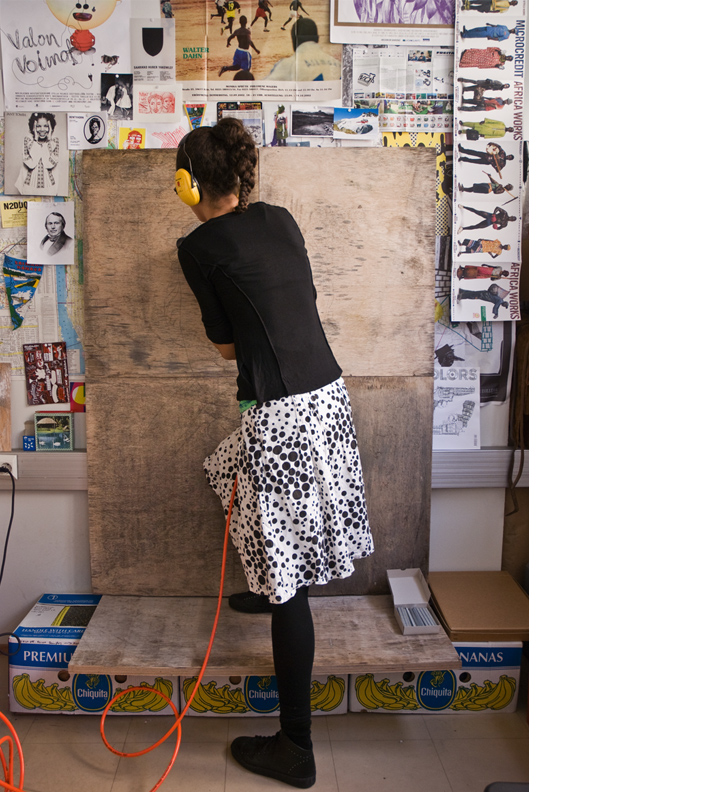
At the old studio working on a portrait as part of my
Rentyhorn
project, 2008.
up